
The Importance of Pharmacy Supply Chain Operations in Healthcare

Discover the vital role of pharmacy supply chain operations in healthcare, ensuring timely delivery of medications, improving patient outcomes, and reducing costs through efficient management.
The Importance of a Physician Credentialing Checklist in Healthcare
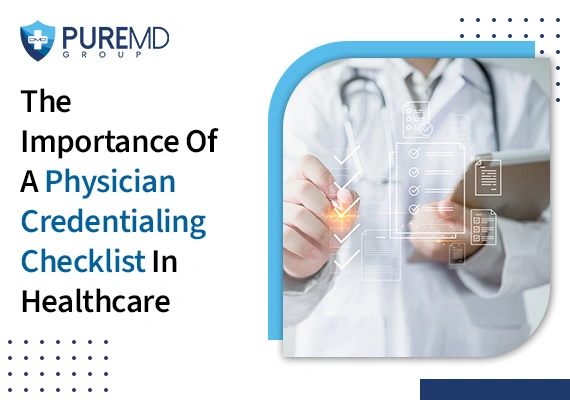
Certification in the medical field is a basic requirement to work in such a high-stakes field. Medical certification gives patients the reassurance that they know they are dealing with a certified, licensed, and up-to-date healthcare practitioner. From a healthcare professional’s perspective, there are many advantages to a healthcare certification program in the 19th century. In fact, 90% of participants in a recent survey said all physicians should undergo a health certification program. What Is Physician Credentialing? Physician credentials, also known as medical credentials, involve compiling and verifying a physician’s professional records to ensure they have the proper licenses to practice (1) are important and time-consuming components of American health care one of the systematic. The Importance of Physician Credentialing Checklist: Testimony helps physicians in many ways. These include, It Builds Patient Confidence The certification ensures that patients receive quality care from certified physicians. It helps to increase trust in healthcare. Enables Payment From Insurance Companies Proper certification of medical professionals helps insurance companies recognize them and pay them appropriately and timely for the services they provide. Prevent Skilled Providers From Working Certification eliminates unqualified staff and ensures that only qualified staff provide health care. It builds the reputation of the funder. Certification makes a provider look good, leading to more patient referrals, more money, and a more successful career. Ensures Compliance In healthcare, it is important to obtain proper credentials and follow laws and regulations to avoid lawsuits. Physicians can maintain high standards of care, patient safety, and ethics by complying with certification requirements. Highlights of the certification process: Each state has its own certification requirements, so health professionals need to understand the specific steps involved. Here’s what you need to know: Who verifies professional credentials? Organizations are responsible for verifying the information required for special certification. Because each state has its own licensing process, the process is broken down into several steps. For example, organizations like the National Student Clearing House help with the initial verification. What does the certification process require? The certification process generally has three main steps: Certification: Verifies and verifies physician qualifications. This is called primary source verification. Privilege: Based on validated credentials, a physician is authorized to provide specific services in a healthcare facility. Subscribers: Once certified, a physician can subscribe to pay for services, which usually involve insurance companies. What Should Be Included In The Credentialing Checklist? A formal physician certificate should consist of the following items. Certification of medical education and training State Medical License Board certification status Malpractice history and proof of insurance Clinical Privileges and employee engagement Compliance with state and federal laws Enrollment with insurance companies and Medicare/Medicaid Continuous examination of certificates for revalidation Key Steps to Improve the Physician Credentialing Process Credentialing for medical billing can be complex and lengthy. To make this process smoother, focus on the following steps to improve efficiency and ensure timely credentialing. Preparation for Credentialing Begin by collecting all the necessary documents and details for the licensing process, such as education certificates, licenses, work history, and relevant qualifications. It’s important to identify the specific requirements and ensure all the information is ready and accurate. Organizing Essential Documents Physicians should ensure that all necessary documents are well-organized and up-to-date before starting the credentialing process. Keeping information accurate is key to ensuring a smooth review process. This includes verifying the reliability and format of documents as required by healthcare institutions. Primary Source Verification To confirm the accuracy of a physician’s credentials, healthcare facilities use primary source verification, checking directly with education providers, licensing boards, and certification agencies. PureMD supports healthcare organizations by thoroughly reviewing licenses, expiration dates, malpractice records, and other relevant information to ensure it is accurate and current. Staying Updated with CAQH It’s essential to keep your CAQH (Council for Affordable Quality Healthcare) profile current for business insurance credentialing. Make sure all details are correct, provide necessary documentation, and sign all forms to avoid delays in the process. Start Credentialing Early Starting the credentialing process early is important, as it can take up to 120 days to complete. Early preparation helps avoid delays and ensures the physician can begin seeing patients and billing for services as soon as possible. Verify All Information Before applying for credentialing, double-check that your education, licenses, board certifications, peer references, and clinical privileges are up to date. Having the correct information helps expedite the approval process. Regular Follow-Up Maintaining regular contact with insurance companies throughout the process helps ensure everything stays on track and speeds up the approval process. Conclusion The importance of a doctor’s certificate of diagnosis cannot be overstated. It ensures the qualifications of healthcare providers, reduces errors, improves efficiency, and enhances patient safety. By implementing a comprehensive and structured review process, healthcare organizations can streamline the certification process and remain in compliance with all legal and regulatory requirements.
An Overview of Denial Management in Healthcare
Discover key aspects of denial management in healthcare, focusing on reducing claim denials, improving revenue cycle processes, and enhancing patient care.
Steps to a Successful Medical Credentialing Process
Learn the key steps for a successful medical credentialing process. Ensure timely approval, reduce delays, and enhance your healthcare practice’s efficiency.
CPT Codes for Workers’ Compensation: A Complete Guide for Medical Billing

Learn the essential CPT codes for workers’ compensation billing. This guide helps streamline claims processing, ensuring accuracy and maximizing reimbursements.
Workers’ Compensation Medical Codes: CPT, ICD-10, HCPCS, and More

Understand key Workers’ Compensation medical codes like CPT, ICD-10, and HCPCS for accurate billing and smooth claims processing.
What Is Payment Posting In Healthcare?

Discover what payment posting in healthcare is and how it streamlines revenue cycle management. Learn its benefits, process, and impact on billing accuracy.
What are the most common denial codes in 2024

Explore the most common denial codes 2024, their meanings, and effective tips to address and prevent claim rejections in medical billing.
The Role of Data Analytics in Pharmacy Revenue Cycle Optimization

Discover how data analytics transforms pharmacy revenue cycle optimization. Learn strategies to improve efficiency, reduce costs, and maximize profitability with actionable insights
Challenges in Pharmacy Revenue Cycle Management

Pharmacies’ revenue cycle management (RCM) procedure is essential to maintaining efficient financial operations.